

Farai Mabeza
ZINARA says mining companies already contribute to infrastructure but argues that corporate social responsibility projects should evolve into structured investments that address the damage caused by heavy haulage traffic.
The Zimbabwe National Road Administration (ZINARA) has called on the mining industry to move beyond corporate social responsibility projects and consider investing directly in road infrastructure through structured partnerships.
Speaking at the recently concluded Chamber of Mines annual conference in Victoria Falls, ZINARA Southern Region Engineer Enock Masocha said the mining sector was already playing a significant role in infrastructure development, but there was an opportunity to transform those contributions into long-term investments.
“As ZINARA, our role is to mobilise funds, and we have made an observation that the mining industry is already contributing a lot in terms of infrastructure development,” Masocha said.
“There are quite a number of mines which are sponsoring roads and developing roads as donations. What we are saying is that instead of doing it as donations and social responsibility, they can actually convert those donations into investment.”
Masocha said ZINARA was exploring partnerships where mining companies and the road authority could collaborate through joint ventures, allowing companies to participate in infrastructure financing while benefiting from future revenue streams.
“We are saying the mines and ZINARA can come together and do joint ventures. After doing a joint venture, then at least we can be able to share the proceeds from our revenue collection,” he said.
The proposal comes amid growing concerns over the condition of roads serving mining areas. Masocha said many of the requests ZINARA receives from road authorities relate to corridors heavily used by mining haulage traffic.
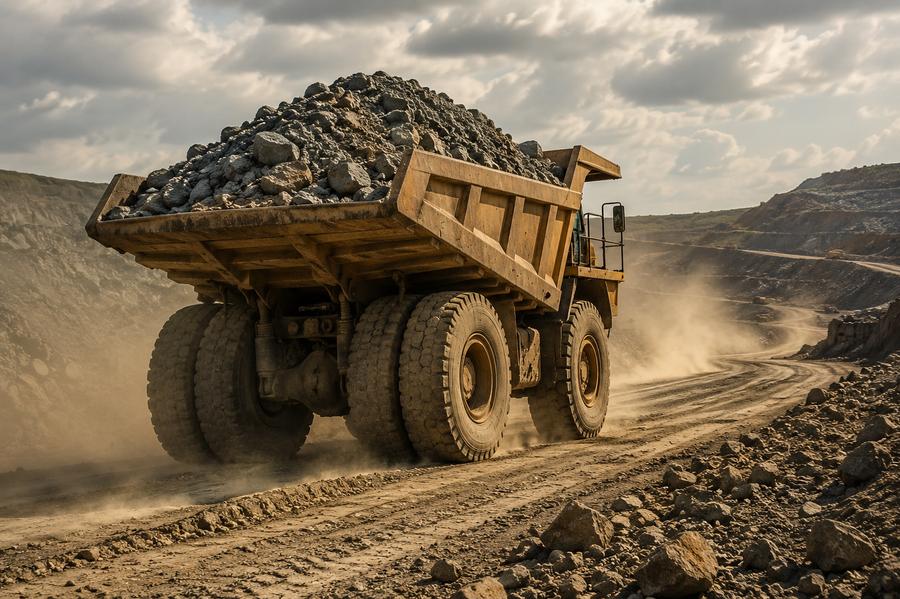
“Most of the corridors which are in areas where there are mines are now in a very bad state, and that destruction can easily be linked to haulage trucks,” he said.
He identified overloading and the repeated movement of heavy trucks as major contributors to road deterioration.
“Haulage trucks have a tendency of destroying our roads. Firstly, through overloading… and secondly, the repetitive nature of haulage trucks as they move from the mines,” Masocha said.
Internationally, similar models have been used where industries that depend heavily on transport infrastructure contribute directly to development and maintenance. In countries such as Australia and Canada, mining companies have participated in infrastructure partnerships, including roads, rail links and logistics corridors, because reliable transport networks are essential to moving minerals to markets.
For Zimbabwe, a mining-road partnership model could help address funding gaps and ensure that roads in mineral-producing regions are designed for industrial use. However, its success would depend on clear agreements, transparency, proper valuation of private sector contributions, and ensuring that public roads remain accessible beyond individual mining interests.
As Zimbabwe’s mining sector expands, the debate is increasingly shifting from whether companies should contribute to infrastructure, to how those contributions can create sustainable long-term value.


