

LIVINGSTON - The Government of Zimbabwe has intensified efforts to shift from institutional child care towards family and community-based systems, revealing that more than 95 percent of children without parental care are already being supported within extended family structures across the country.
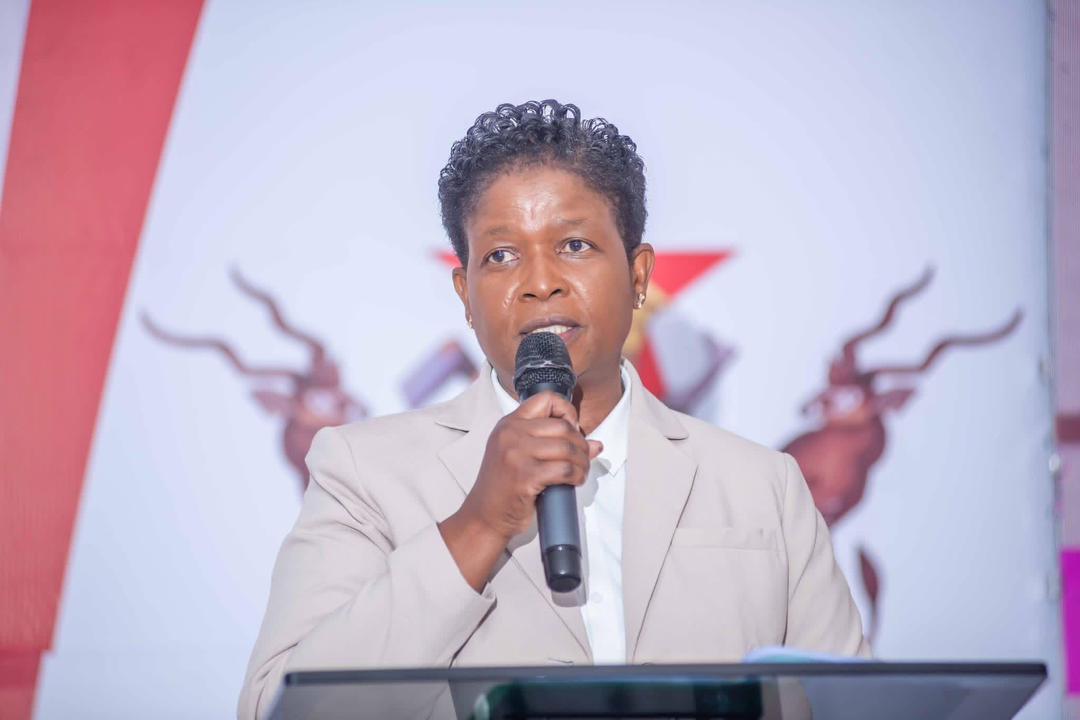
Speaking at the Regional Conference on Family Based Care and Placement held in Livingstone, Zambia on Wednesday, Public Service, Labour and Social Welfare Deputy Minister, Mercy Dinha said Zimbabwe is implementing structured reforms aimed at deinstitutionalising child care and strengthening family support systems.
Dinha said Zimbabwe has approximately 7.1 million children, including 562,872 orphans, with around 4,500 children currently in residential care institutions and 660 in formal foster care arrangements.
She said the majority of vulnerable children continue to rely on kinship care systems, reflecting the enduring importance of traditional African family structures.
The Deputy Minister highlighted that Zimbabwe’s alternative care reforms are anchored in Section 81 of the Constitution, which guarantees every child the right to family or parental care, while the Children’s Act promotes family preservation and early intervention measures to prevent unnecessary separation of children from their families.
She also told delegates that residential care institutions are now expected to provide only temporary support as authorities prioritise family reunification and family-type care models that promote children’s wellbeing and dignity.
According to Dinha, the reforms are being implemented through the National Policy for the Care and Protection of Children Without Parental Care, which prioritises family and community-based care under a six-tier safety net system. The policy is also informed by the African Union’s 2023 Continental Study on Children without Parental Care in Africa.
Zimbabwe is also implementing the National Action Plan for Children IV, which seeks to prevent family separation through strengthened social services, economic support systems, and community-based interventions aligned with the Sustainable Development Goals and the country’s National Development Strategy 2.
Dinha said partnerships between government and child welfare organisations were already producing “tangible results” through programmes aimed at reintegrating children from institutional care into kinship and foster care environments. She cited a joint initiative between the Government of Zimbabwe and SOS Children\'s Villages that has helped strengthen gatekeeping systems and support safe community reintegration for children leaving institutions.
She added that authorities had significantly reduced new admissions into institutions except for the “most deserving cases,” while expanding parenting support, counselling services, foster care grants, education assistance, and economic strengthening programmes to support vulnerable families and reduce child separation.
The Deputy Minister also highlighted the growing role of digital systems in child protection, saying the National Case Management Information System was improving case tracking, accountability, and evidence-based decision making within the sector.
Despite progress, Dinha acknowledged ongoing challenges faced by children transitioning out of institutional care, warning that weakening kinship ties and the erosion of traditional Ubuntu support systems were complicating reintegration efforts.
She said Zimbabwe was currently developing an inclusive National After Care Policy designed to support children leaving care institutions as they transition into adulthood, including children with disabilities. Once completed, the framework is expected to position Zimbabwe among the pioneering African countries with a comprehensive after-care support policy.
Dinha said investing in family-based care was not only beneficial for children’s development but also more cost-effective than institutional care, reducing long-term dependence on state support systems. She urged African governments and child protection stakeholders to strengthen regional cooperation and continue sharing experiences to ensure that “no child in Africa is left behind.”


